Garden landscaping in Brockley
If you are planning garden landscaping in Brockley, you are probably looking for a local team that understands how to make outdoor space work properly in a busy South East London setting. Brockley homes often come with very different garden layouts: compact terraces, long narrow plots, Victorian and Edwardian gardens, shared side access, basement-level spaces, front gardens that need better kerb appeal, and commercial outdoor areas that have to look smart while remaining practical. A good landscaping project should respect those realities while still creating something attractive, durable, and genuinely useful.
Whether you want a complete garden redesign, a new patio, better planting, more privacy, improved drainage, or a low-maintenance layout that is easier to enjoy throughout the year, the right service starts with careful planning. Local knowledge matters here. Brockley gardens can be shaded by mature trees, affected by neighbouring structures, or limited by awkward access and parking restrictions. A team working in the area regularly will know how to organise deliveries, protect existing features, and design around everyday constraints rather than treating your property like a blank page.
From family gardens near Brockley Rise to courtyard spaces close to Crofton Park, and from rental properties to business premises that need a tidy outdoor finish, landscaping is about more than appearance. It is about creating a space that suits how you actually live or work. Contact us today if you are ready to discuss ideas, compare options, or request a quote tailored to your space.
Why choose garden landscaping in Brockley?
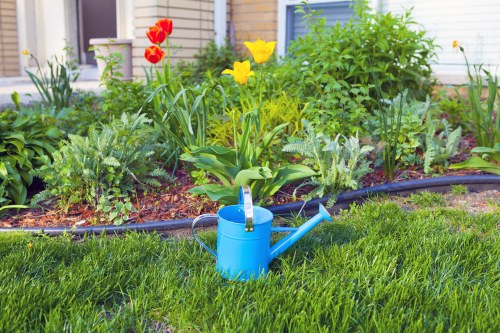
Brockley is a place where outdoor spaces often need to do several jobs at once. A small rear garden may need to function as a family play area, a dining space, a planting zone, and a low-maintenance retreat. A front garden might need to improve the look of a property without creating extra upkeep. A commercial courtyard may need hard-wearing finishes that can handle regular use while still looking professional. That is why local garden landscaping in Brockley should always begin with a realistic understanding of the site.
Some gardens in the area have uneven ground, older boundary walls, tree roots, or drainage problems that need proper attention before any decorative work begins. Others have been left with tired paving, patchy lawns, or planting that no longer suits the way the property is used. In these situations, landscaping is not just about “making it pretty.” It is about improving function, comfort, and long-term value.
Choosing a local company also helps with practical matters. Brockley streets can be tight for parking and unloading, and some properties have restricted access through side passages or shared entrances. A local team is more likely to plan around these issues from the start, which can save time and reduce disruption. It also means the service is more likely to suit the character of the area, from period homes to newer developments and mixed-use spaces.
What garden landscaping can include
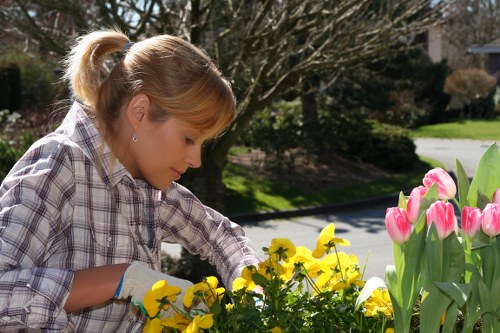
Every garden is different, so the right solution depends on the condition of the site and the way you want to use it. Some customers want a full redesign, while others only need a few key changes to make the space feel complete. A well-planned landscaping service can cover both small improvements and larger transformation projects.
Common features within garden landscaping in Brockley include paving, patio installation, turfing, raised beds, fencing, pergolas, pathways, steps, decorative edging, planting schemes, drainage improvements, and lighting preparation. Many properties also benefit from more subtle changes such as reshaping borders, improving soil quality, or introducing zones that separate entertaining areas from storage or utility spaces.
For many local homeowners, the most valuable change is a layout that reduces maintenance without feeling bare or lifeless. This could involve replacing uneven grass with a more manageable surface, adding hardy planting that suits local conditions, or installing hard landscaping materials that can cope with regular use and seasonal weather. For business customers, the focus is often on creating a tidy, welcoming exterior that reflects the property well.
How the service works

A good landscaping project should feel organised and straightforward from the beginning. The process usually starts with an initial conversation about your goals, budget range, and the problems you want to solve. This may be followed by a site visit so the team can assess access, levels, drainage, sunlight, boundaries, and the condition of existing features.
After that, you will usually receive a proposed approach that outlines the recommended works. Depending on the scale of the project, this may include layout ideas, materials, planting direction, and phasing. For larger garden landscaping in Brockley projects, the plan may also cover demolition, waste removal, soil preparation, retaining work, and the order of construction so that the job runs smoothly.
Once the plan is agreed, the work can begin. Good communication is important throughout because landscaping often involves several stages. Hard landscaping may need to happen before planting, drainage should be considered before new surfaces are laid, and access for deliveries may need to be coordinated around neighbours or narrow streets. A clear schedule helps keep everything moving and reduces surprises.
Local garden styles and common Brockley challenges

Brockley properties often have character, which is one of the reasons people invest in their outdoor space. Victorian terraces may have long, narrow gardens that need careful zoning. Semi-detached homes may have side access that is useful but limited. Flats and converted buildings may have courtyard-style gardens where privacy and compact design are more important than large lawns. Understanding these patterns helps shape better landscaping choices.
One common challenge is shade. Mature trees, neighbouring buildings, and south-facing walls can all influence what will grow well and where seating areas should be positioned. Another frequent issue is water movement. Older gardens may hold water after rain, while hard surfaces can run off towards the house if drainage has not been thought through properly. These are not problems to ignore; they are opportunities to improve the space in a lasting way.
There is also the matter of access. In Brockley, a landscaping team may need to work around tight front paths, shared rear access, or limited parking during busy periods. Local experience makes a difference here because the team can plan deliveries, tool storage, and waste removal with the realities of the street in mind. That practical approach often makes the service more efficient and less stressful for the customer.
What is included in a typical landscaping project?
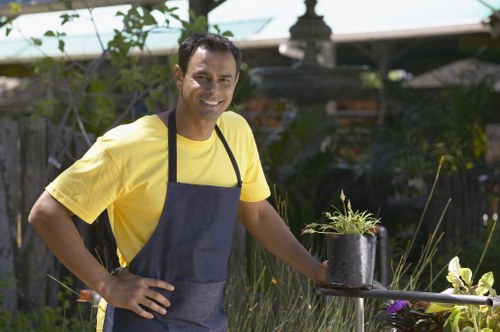
The scope of a landscaping job can be tailored to suit your garden, but many customers want clarity on what is usually included. A sensible project should cover the planning, preparation, construction, and finishing touches needed to leave the space ready to use. It should also take into account the long-term upkeep of the garden, not just how it looks on completion day.
Typical elements may include:
- Initial site assessment and discussion of requirements
- Removal of old materials, unwanted plants, or damaged features
- Ground preparation and levelling where needed
- Installation of patios, paths, decking, or other hard surfaces
- Fencing, gates, screening, or boundary improvements
- Planting beds, shrubs, trees, and decorative borders
- Turfing or alternative lawn solutions
- Drainage improvements and water management considerations
- Finishing details such as edging, bark, gravel, or mulch
Some projects will also include features like raised planters, storage areas, seating zones, or lighting preparation. The exact package depends on your aims, your budget, and the condition of the site. If you are comparing options, ask for a clear explanation of what is included so you can judge the value of the work properly.
Hard landscaping and soft landscaping
It helps to think of landscaping in two parts: hard landscaping and soft landscaping. Hard landscaping refers to the built elements, such as paving, steps, walls, fencing, and structural features. Soft landscaping covers planting, turf, soil improvement, and the living parts of the garden. The best results usually come from combining both in a balanced way.
Hard landscaping is often the foundation of a successful garden design because it shapes how the space functions. Good paving can create a safe route across the garden and provide a usable dining or seating area. Retaining walls may help solve level changes. Fencing can improve privacy and define the boundaries. In Brockley, where many gardens are long or irregular, these structural elements are often essential.
Soft landscaping brings the scheme to life. Planting can soften edges, add seasonal interest, attract wildlife, and make the garden feel more settled. If you want a space that looks attractive all year, the planting plan needs to reflect sun exposure, soil type, and how much maintenance you are happy to do. A skilled local landscaper can recommend practical choices that suit both the setting and your lifestyle.
Designing for everyday use
When people request garden landscaping in Brockley, they often want more than a visual makeover. They want a place for children to play, a private corner for relaxing, a useful space for barbecue and dining, or a garden that is easier to keep under control. This means the design should be built around real routines rather than idealised ideas.
Think about how you use the space at different times of year. Do you need somewhere sunny in the morning and shade later in the day? Would a patio near the house be more practical than a large lawn? Do you want planting that screens neighbouring windows without blocking light? These are the questions that shape a useful layout. A well-planned garden should feel natural to move around and easy to maintain.
For landlords and managing agents, usability also means durability. Surfaces should be robust enough to cope with regular occupation, and planting should be chosen with maintenance in mind. For businesses, appearance and safety are both important. A neat frontage, clear pathways, and tidy boundaries can make a strong first impression without requiring constant attention.
Materials and finishes that suit Brockley gardens
Material choice has a major impact on both appearance and maintenance. In Brockley, many customers prefer finishes that look smart but are not overly formal. That might mean natural-looking paving, gravel features, timber accents, or planting-rich borders that suit the character of a period home. Others may prefer a more contemporary feel with clean lines and simple textures.
Popular choices for garden landscaping in Brockley often include paving that complements brickwork, timber or composite fencing for privacy, and gravel or decorative aggregate for low-maintenance areas. Turf remains popular where there is space for a lawn, but some gardens benefit more from hard-wearing alternatives if shade or heavy use makes grass difficult to maintain.
Durability matters as much as style. Choosing materials that suit the exposure, slope, and level of use will help the garden look better for longer. If a surface will be used daily, it should be chosen for grip and resilience. If a planting bed is exposed to dry conditions, the soil and plant selection should be adapted accordingly. A sensible material plan can reduce repair work later on.
Planting that works in local conditions
Planting is one of the easiest ways to make a garden feel complete, but it should never be an afterthought. Brockley gardens can vary widely in light levels, soil condition, and shelter from wind. That means the best planting plan depends on a proper understanding of the site rather than a standard list of “popular” plants.
In shaded spaces, you may need resilient foliage plants and seasonal colour that does not rely on full sun. In bright gardens, you may want drought-tolerant species and layered borders that can cope with intense summer conditions. If your garden is mainly viewed from inside the house, shape and structure may matter more than fragrance. If it is used for entertaining, you may want planting that frames seating areas without encroaching on them.
Good planting also improves biodiversity. Even a modest garden can support pollinators and birds with the right selection of shrubs, perennials, climbers, and herbs. A local landscaper can help balance beauty, practicality, and ecological value so your garden feels alive rather than purely decorative.
Low-maintenance options for busy households
Many Brockley homeowners want a garden that looks cared for without requiring constant work. Low-maintenance landscaping is often a practical priority for families, commuters, older residents, and landlords. It can also be a smart choice if the garden is small and every square metre needs to earn its place.
Low-maintenance does not have to mean empty or plain. It might involve reducing the amount of lawn, using perennial planting that returns each year, adding weed-suppressing finishes, and designing simple edges that are easy to keep tidy. It can also mean choosing a layout with fewer awkward corners and clearer access for routine upkeep.
Ask for a design that matches your real level of maintenance. If you do not want to spend weekends mowing, pruning, and weeding, say so early in the process. A well-planned solution should reflect how much time you actually have, not how much time a garden “should” receive in theory.
Landscaping for front gardens, rear gardens, and courtyards
Different parts of a property need different approaches. A front garden often has to create a neat first impression and may need to balance planting with practical features like bins, paths, and steps. A rear garden might be more private and more likely to include seating, play space, and greenery. Courtyards and smaller outside spaces need particularly careful planning because they can quickly feel cluttered if too many elements are squeezed in.
For front gardens, tidy boundaries, clear access, and smart planting often make the biggest difference. For rear gardens, the layout usually depends on sunlight, privacy, and how much entertaining or family use the space needs to support. For courtyards, vertical interest, compact furniture zones, and layered planting can add depth without making the area feel cramped. This kind of detail is central to successful garden landscaping in Brockley.
Commercial outdoor areas have their own requirements. Offices, hospitality venues, and mixed-use properties may need spaces that are visually appealing, simple to maintain, and safe for visitors and staff. In these settings, the aim is often to create a welcoming exterior that reflects well on the building without demanding constant attention from the occupier.
Preparation checklist before work begins
If you are planning a landscaping project, a little preparation can make the process smoother. You do not need to have every decision made in advance, but thinking through the basics helps your conversation with the landscaper and makes the quote more accurate.
- Identify what you want to change: layout, surfaces, planting, privacy, or all of these.
- Look at how you use the garden now and what feels inconvenient or underused.
- Note any drainage issues, uneven ground, or damaged areas.
- Consider access routes for materials, especially if side access is limited.
- Think about parking and unloading space near the property.
- Decide whether you want a low-maintenance scheme or a more planted design.
- Gather any inspiration that helps explain your preferred style, even if it is only in words.
These points are particularly helpful in Brockley, where access and site shape can have a big influence on how work is organised. If neighbours share boundaries or access routes, it can also help to plan the schedule so disruption is reduced as much as possible.
What affects the price of landscaping?
Every project is different, so it is not sensible to expect one standard cost. Several factors influence the amount of labour, materials, and time involved. Understanding these factors will help you compare proposals more effectively and avoid misunderstandings.
- Garden size and shape: Larger or more awkward sites usually need more labour and planning.
- Site condition: Clearing old features, dealing with uneven ground, or correcting drainage issues adds work.
- Material choices: Premium paving, bespoke timber work, or specialist finishes may cost more than simple alternatives.
- Access: Restricted access can affect how materials are brought in and waste is removed.
- Design complexity: Multiple levels, built-in features, and detailed planting plans can extend the work.
- Amount of preparation: Some gardens need extensive groundwork before the visible installation starts.
It is often better to discuss priorities than to focus only on the lowest figure. For example, if a garden needs drainage correction before new paving is laid, that work should be included rather than postponed. A fair quote should reflect the real scope of the job and explain what is being delivered.
Why local knowledge can save time and stress
A local landscaping team can be especially useful in Brockley because the area presents a mix of property styles and practical constraints. Knowing how to work in residential streets with limited parking, how to manage materials in narrow spaces, and how to schedule work around neighbours is valuable. It can make the whole experience feel more orderly and less disruptive.
Local knowledge also helps with design decisions. A team that regularly works in the area will have seen what stands up well in nearby gardens, which materials suit the local character, and what kinds of planting can handle shaded urban conditions. This does not mean every garden should look the same. It means the recommendations should be grounded in real experience of the area.
For customers who want to book your service now or begin with a quote, choosing a local company can make communication easier too. It is simpler to arrange a site visit, explain access issues, and discuss changes in person when the team is working nearby and understands the practical realities of the neighbourhood.
Areas covered around Brockley
Garden landscaping services in Brockley often extend beyond the immediate centre of the area and into nearby neighbourhoods where similar property types and garden layouts are common. This is useful for households and businesses that want a team familiar with South East London conditions rather than a distant provider unfamiliar with local access challenges.
Nearby areas commonly served may include Crofton Park, Lewisham, Nunhead, Honor Oak, Forest Hill, Deptford, New Cross, Ladywell, and parts of Greenwich and South Bermondsey, depending on the project and schedule. The key benefit for customers is consistency: a team that works across surrounding areas is more likely to understand the blend of terraces, converted buildings, family homes, and commercial premises found here.
If you are not sure whether your property falls within the usual service area, it is worth asking during your enquiry. That way you can confirm availability before spending time developing the full scope of work.
Frequently asked questions
How long does a landscaping project take?
The timescale depends on the size of the garden, the amount of preparation needed, the weather, material availability, and the complexity of the design. A simple refresh may move quickly, while a full redesign with hard landscaping and planting can take longer. The best way to understand the schedule is to ask for a project plan based on your actual site.
Can landscaping be done in a small Brockley garden?
Yes. Small gardens often benefit the most from thoughtful design because every inch matters. Clever zoning, vertical planting, compact seating areas, and the right surface choices can make a small space feel more open and useful. In many Brockley properties, smaller gardens are exactly where planning has the biggest impact.
Do I need to clear the garden before the work starts?
Usually, some preparation is helpful, but it depends on the project. You may be asked to remove personal items, pots, furniture, or anything fragile before work begins. Larger clearances, waste removal, and heavy lifting are typically part of the landscaping process itself, though this should always be agreed in advance.
What if my garden has poor drainage?
Poor drainage is common in older gardens and should be addressed properly before new surfaces or planting schemes are installed. Solutions may include regrading, improved ground preparation, drainage channels, or changing the layout so water moves away from problem areas. A site visit is the best way to identify what is needed.
Can I keep some existing features?
Absolutely. Many customers choose to keep mature plants, trees, walls, or existing structures that still work well. Reusing good features can reduce waste and preserve the character of the garden. A careful landscaper will help you decide what should stay, what should be repaired, and what needs replacing.
Is landscaping suitable for rental properties and commercial sites?
Yes. In fact, those properties often benefit greatly from clear, durable, and low-maintenance designs. For landlords, a tidy outdoor area can improve the overall presentation of the property. For commercial customers, a well-kept exterior can create a better first impression and support day-to-day usability.
Choosing the right team for the job
When comparing providers of garden landscaping in Brockley, look for more than just a neat-looking portfolio. You want a team that listens carefully, explains options clearly, and understands how local gardens actually function. They should be able to talk through materials, access, drainage, planting, and maintenance in a practical way.
It is also sensible to ask how the work will be staged, how waste will be handled, and how the garden will be protected during the process. Good workmanship matters, but so does organisation. A reliable service should feel structured from the first conversation through to the final finishing touches.
If you are preparing to improve your outdoor space, now is a good time to explore your options. Whether you need a complete redesign, a smarter patio, better planting, or a more manageable layout, a local landscaping service can help turn those ideas into a practical plan. Request a free quote and start moving your garden in the right direction.
Final thoughts
Garden landscaping in Brockley is about making the most of the outdoor space you already have. That might mean solving access issues, improving drainage, updating tired surfaces, creating privacy, or designing a layout that is easier to maintain. It might also mean giving a period property a more sympathetic finish, or helping a commercial property present itself more professionally.
The best results come from practical planning, local understanding, and a design that suits the way you live. With the right approach, even a modest garden can become a comfortable, attractive, and useful part of your home or business. If you are ready to discuss your project, contact us today and take the first step toward a garden that works better for you.